If you’ve been told you don’t have enough bone for dental implants, it doesn’t necessarily mean implants aren’t possible. In many cases, the bone in the jaw can be rebuilt or supported, allowing implants to be placed safely and securely.
Dental implants rely on strong, stable bone to hold them in place. Over time, bone can be reduced due to:
When this happens, there may not be enough support for an implant straight away.
Bone regeneration involves strengthening or rebuilding areas of the jaw where bone has been lost.
This is typically done using a bone graft, where material is placed into the area to encourage new bone to form. The graft may be:
Over time, this is replaced by your natural bone, creating a stable base for implants.


Bone regeneration is not carried out in isolation. It forms part of a wider treatment plan, based on:
This ensures that any grafting carried out supports the final result, not just the immediate stage of treatment.

In the upper jaw, the sinus can sit very close to the bone needed for implants.
A sinus lift creates the space required to place implants safely. This involves:
It’s a well-established procedure and often used when upper back teeth have been missing for some time.

If bone regeneration is needed, it will be planned as part of your implant treatment. This may involve:
You’ll be guided through each stage, so you understand how everything fits together.
Procedures like bone grafting can sound more involved than they feel in practice. Patients often comment that:
For those who feel anxious, sedation options are available to make treatment more comfortable.
Related treatments:
Bone regeneration and implant treatment require careful planning and experience.
Dr Mohan Chawla has treated a wide range of cases, including those involving reduced bone levels and more complex implant planning. Patients often highlight how clearly everything is explained, and how supported they feel throughout the process.
 Before
 After
After
 Before
 After
After
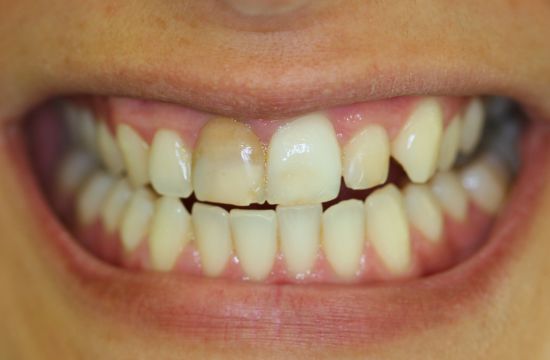 Before
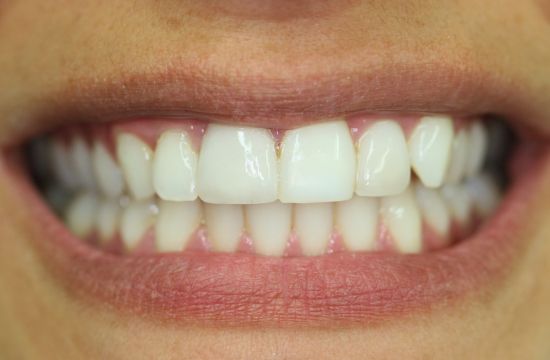 After
After
 Before
 After
After
 Before
 After
After
 Before
 After
After


Bone regeneration may be recommended where:
• Teeth have been missing for a long period.
• Bone has reduced in height or thickness.
• Gum disease has affected the supporting structures.
• The sinus limits the available bone in the upper jaw.
This is assessed carefully before any treatment is planned.
In many cases, yes. Bone grafting or alternative approaches such as All-on-4 may make implants possible.
Healing usually takes a few months, as the graft material is replaced by natural bone.
Not always. It depends on the available bone and the position of the sinus.
Most patients find discomfort manageable, and the procedure is carefully controlled. Sedation can also be used if needed.
Experience exceptional dental care tailored to you—reserve your visit now and take the first step toward a healthier, more confident smile.
BOOK APPOINTMENT BACK TO Treatments