A well-made crown should sit comfortably in your bite, allowing you to eat and speak without noticing it’s there. Poorly fitted crowns can feel slightly “off”, leading to discomfort or uneven wear over time.
At Optima Dental Care in Maidenhead, crown treatment is led by Dr Mohan Chawla, with a focus on careful shaping, precise adjustment, and long-term function, so the result feels stable, natural, and built to last.
A crown is essentially a way of rebuilding a tooth when there isn’t enough of it left to rely on.
Rather than placing another filling, which may not last, the tooth is covered and supported so it can function normally again. The aim is to keep the tooth stable and comfortable over time, rather than letting it gradually break down further.
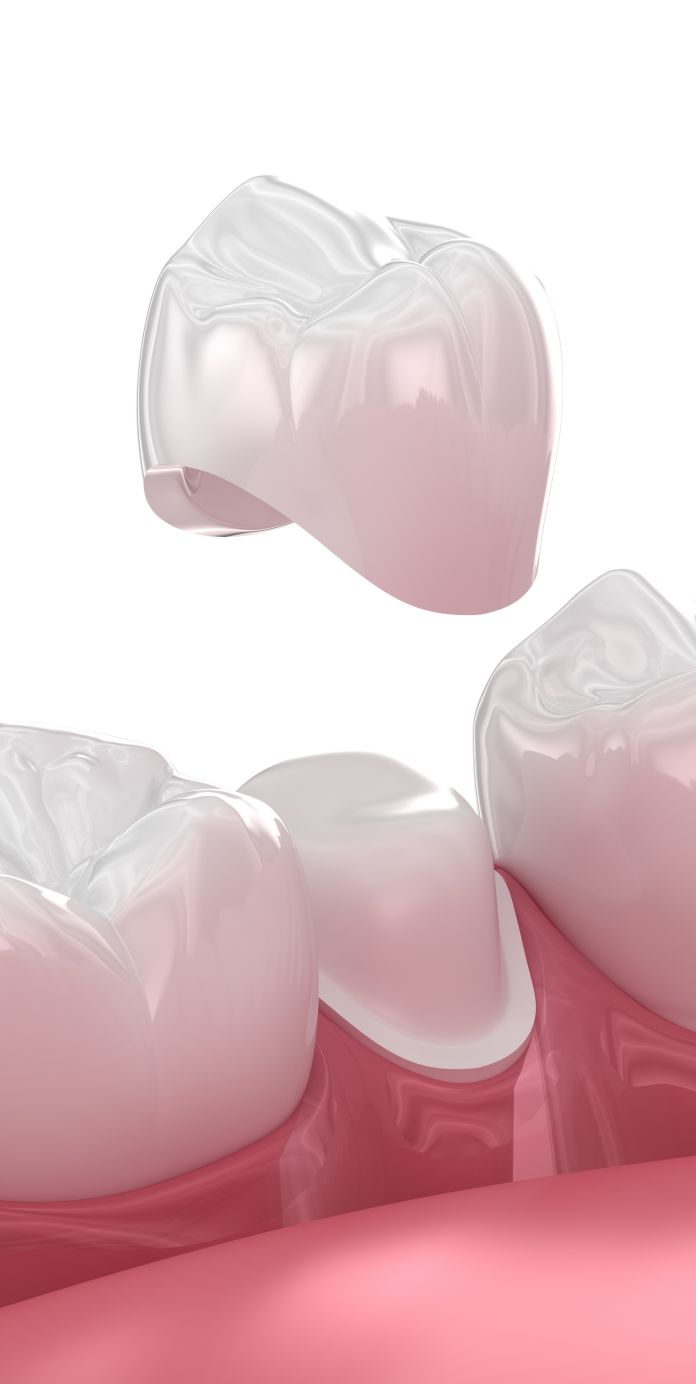


Crown treatment is usually carried out over two visits.
At the first appointment, the tooth is prepared and shaped so the crown can fit properly. Impressions are then taken, which are used to make a crown that matches your bite and surrounding teeth. A temporary is often placed in the meantime, so the tooth is protected.
At the second visit, the final crown is fitted and adjusted. This part is more important than it might seem; small changes to the shape can make a noticeable difference to how it feels when you bite and chew.

Crowns are often used to stabilise a situation rather than just fix a problem.
Once a tooth has reached the point where it needs this level of support, the aim is to keep it working reliably for as long as possible.
With regular maintenance and good oral hygiene, crowns can last many years — but how they are planned and fitted at the start plays a big part in that.

If a tooth has been bothering you, or you’ve been told you may need a crown, it’s worth having it looked at sooner rather than later.
We offer private examinations from £30, which may include X-rays where clinically needed. That gives you a clear picture of what’s going on and whether a crown (or something simpler) would be enough.
 Before
 After
After
 Before
 After
After
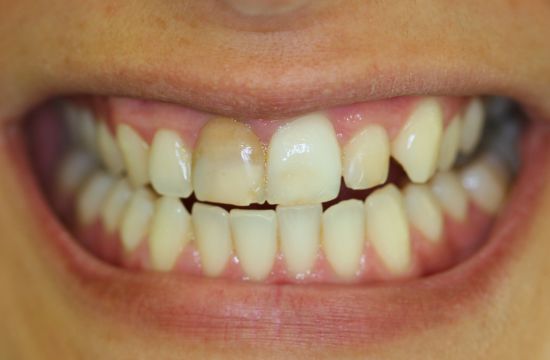 Before
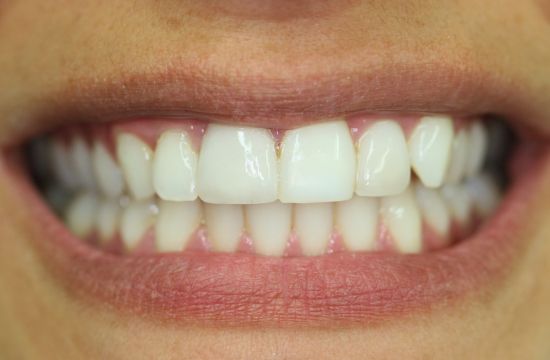 After
After
 Before
 After
After
 Before
 After
After
 Before
 After
After


Crowns tend to be recommended when a tooth is starting to struggle. That might be:
At that stage, it’s less about repairing small areas and more about supporting the tooth as a whole.
We look at how the tooth is behaving in your bite, not just how it looks, before deciding if a crown is the right option.
They can last many years, particularly when the bite is well balanced, and the surrounding teeth and gums are kept healthy.
That’s the aim. It may feel slightly different at first, but once adjusted properly, it should settle and feel natural.
It’s usually very manageable. Local anaesthetic is used, and most patients are surprised by how straightforward it feels.
In some cases, a filling isn’t strong enough to support the tooth long term. A crown spreads the load more evenly and reduces the risk of further damage.
Experience exceptional dental care tailored to you—reserve your visit now and take the first step toward a healthier, more confident smile.
BOOK APPOINTMENT BACK TO General Dentistry