Losing a tooth can change more than you expect. You might notice it when you’re eating, or become more aware of the gap when you speak or smile.
A dental bridge is a fixed way of restoring that space, helping your bite feel more balanced, and your teeth work together more comfortably again.
A bridge replaces a missing tooth by attaching a new tooth to the teeth on either side of the gap.
Once it’s in place, it stays there, so it feels more like your own teeth, rather than something removable.
The aim is to restore the space in a way that feels settled and comfortable, so you’re not constantly aware of it.
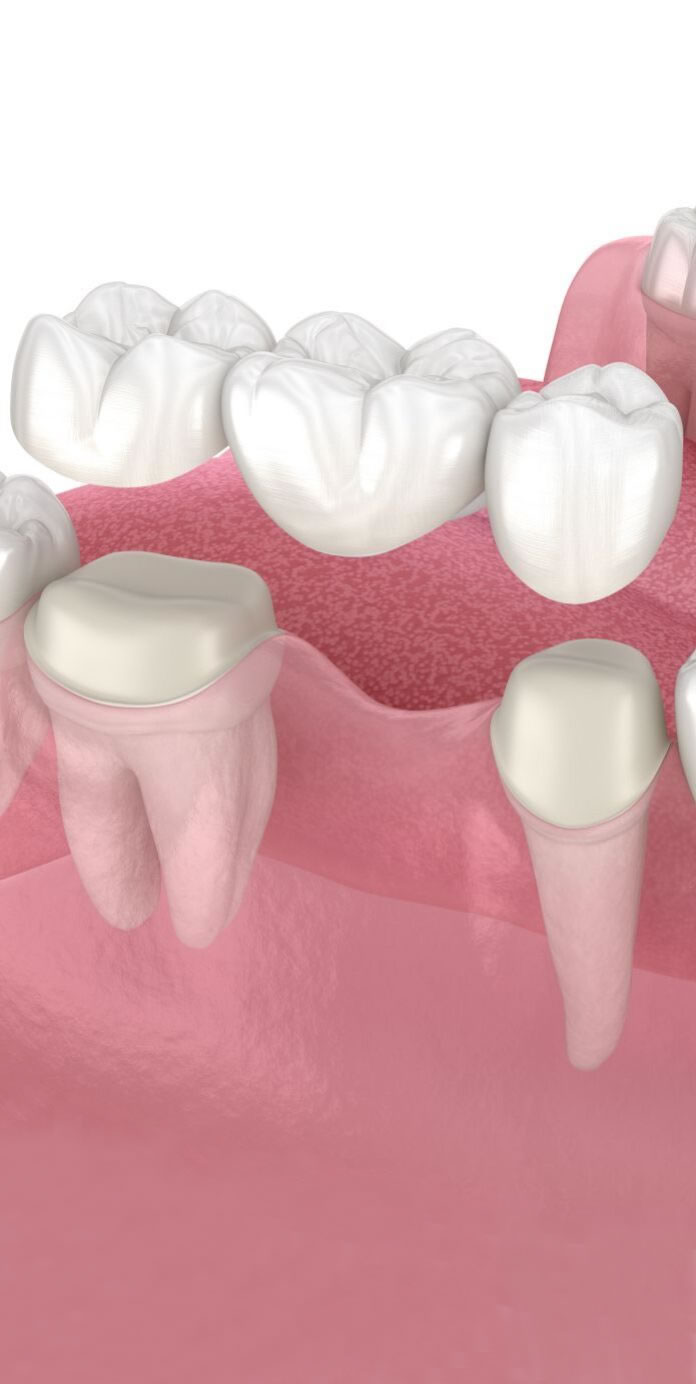


Bridge treatment is usually completed over two visits.
At the first appointment, the teeth either side of the gap are carefully prepared so the bridge can be supported securely.
Impressions are taken to make sure everything fits properly.
A temporary may be placed while the final bridge is made.
At the second visit, the bridge is fitted and adjusted so it sits comfortably in your bite. Small refinements here can make a noticeable difference to how natural it feels when you eat and speak.

The aim of a bridge is that it doesn’t draw attention to itself. Once it has settled, most patients find:
Getting the fit right is what allows that to happen.

In some cases, a bridge can be supported by implants rather than natural teeth. This means:
This approach is often considered when multiple teeth are missing or where a longer-term solution is preferred.
There isn’t one single way to replace a tooth, and bridges are one of several options. Some patients prefer a bridge because it’s straightforward and effective. Others prefer implants, particularly if they want to avoid placing pressure on neighbouring teeth.
Our role is to guide you through those options clearly, so you can make a decision that feels right for you.
If you have a missing tooth, it’s worth having it assessed properly rather than leaving it. We offer private examinations from £30, which may include X-rays where clinically needed. This gives you a clear understanding of what’s happening and what your options are.
 Before
 After
After
 Before
 After
After
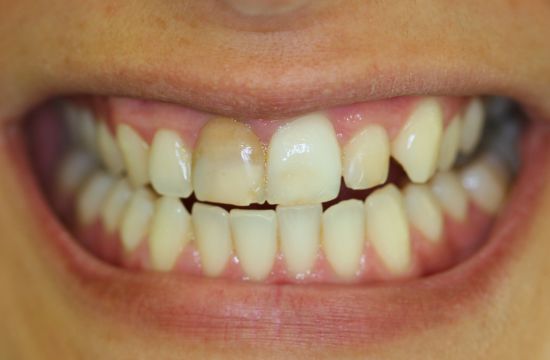 Before
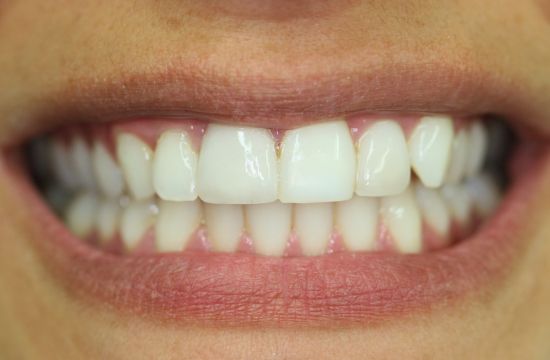 After
After
 Before
 After
After
 Before
 After
After
 Before
 After
After


Bridges can work well when:
For some patients, this is a straightforward and effective solution.
For others, particularly where the surrounding teeth are healthy, options like dental implants may be worth considering as well.
We’ll talk this through with you, so you understand what feels right both now and in the longer term.
That’s the aim. Once adjusted properly, most patients find that it settles quickly and feels part of their normal bite.
They can last many years, particularly when the supporting teeth are healthy and well-maintained.
They serve different purposes. Bridges rely on neighbouring teeth, while implants are independent. We’ll help you decide what’s most suitable.
Yes. Bridges can be used to replace one or several missing teeth, depending on the support available. At your consultation, we’ll be able to run through your options depending on your clinical status and your preferences.
Experience exceptional dental care tailored to you—reserve your visit now and take the first step toward a healthier, more confident smile.
BOOK APPOINTMENT BACK TO General Dentistry