In some situations, removing a tooth is the best way to protect your overall oral health, particularly if a tooth is badly damaged, infected, or no longer stable.
At Optima Dental Care in Maidenhead, extractions are always approached carefully and only recommended when necessary. Our focus is on making the process as comfortable as possible, while planning what comes next, so your long-term dental health is supported.
Patients visit us from across Maidenhead, Cookham and Bray for treatment that is clearly explained, gently carried out, and fully considered.
Tooth extraction may be recommended if:
In many cases, we will always look at ways to save the tooth first before recommending removal.



Tooth extraction is usually a straightforward procedure carried out under local anaesthesia.
Step 1: Assessment and planning
We examine the tooth and take any necessary X-rays to plan the safest approach.
Step 2: Gentle removal
The area is numbed, and the tooth is carefully loosened and removed with minimal discomfort.
We also offer Wand anaesthesia, which delivers numbing more gradually and without the traditional syringe feel, often making the experience more comfortable, particularly for nervous patients.
Step 3: Aftercare
We provide clear aftercare advice to support healing and reduce the risk of complications.
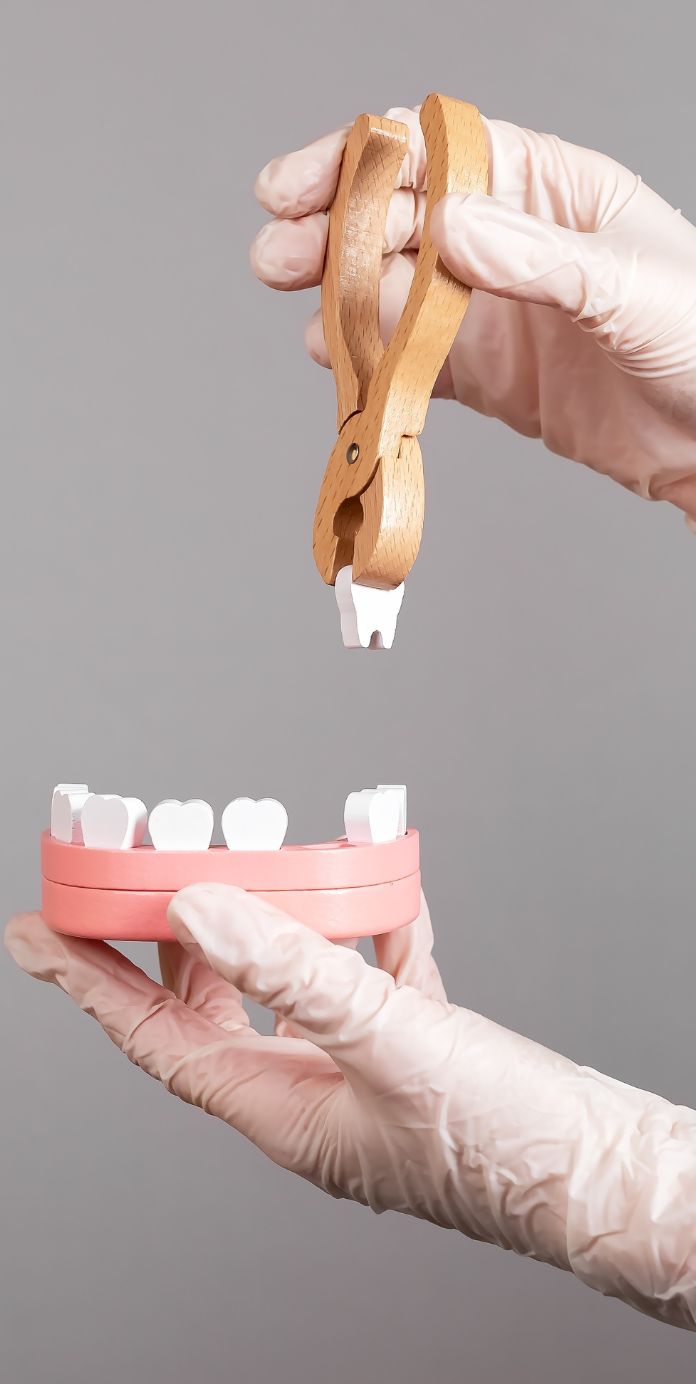
We understand that many patients feel anxious about the idea of an extraction.
Our approach focuses on:
Where appropriate, we can also discuss options to help manage dental anxiety.

If you’ve been advised you may need a tooth removed, or you’re experiencing discomfort, a check-up is the best place to begin.
We offer private examinations from £30, which may include X-rays where clinically needed, giving you a clear understanding of:
Dr Mohan Chawla leads Optima Dental Care, with experience across both NHS and private dentistry. His approach to treatment planning focuses on:
Patients often comment on the clarity of his explanations and the reassurance this provides. He works closely with patients to ensure they feel comfortable throughout treatment.
 Before
 After
After
 Before
 After
After
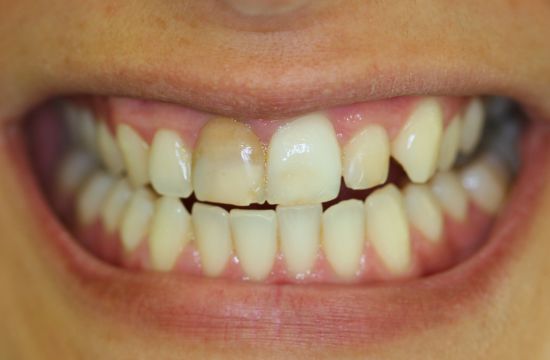 Before
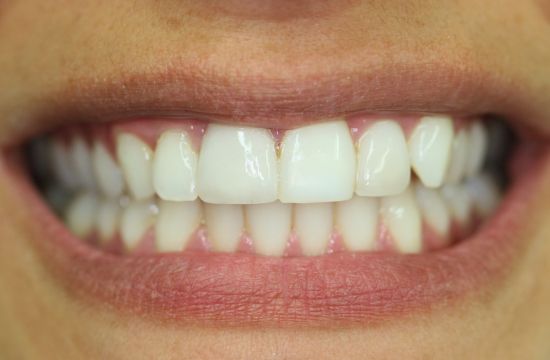 After
After
 Before
 After
After
 Before
 After
After
 Before
 After
After


Extraction is usually considered when:
• Other treatments are no longer suitable.
• Keeping the tooth could affect the surrounding teeth or gums.
• Removing the tooth supports a wider treatment plan.
This can include:
At your consultation, we assess:
The procedure is carried out under local anaesthesia, so you should not feel pain during the extraction. Some discomfort afterwards is normal and can be managed with aftercare.
Initial healing usually takes a few days, with full healing taking a few weeks, depending on the case.
In many cases, replacing the tooth is recommended to maintain function and prevent movement of surrounding teeth. We’ll discuss options such as dental implants or dentures.
Most patients can return to normal activities within a day or two, depending on the complexity of the extraction.
Experience exceptional dental care tailored to you—reserve your visit now and take the first step toward a healthier, more confident smile.
BOOK APPOINTMENT BACK TO General Dentistry